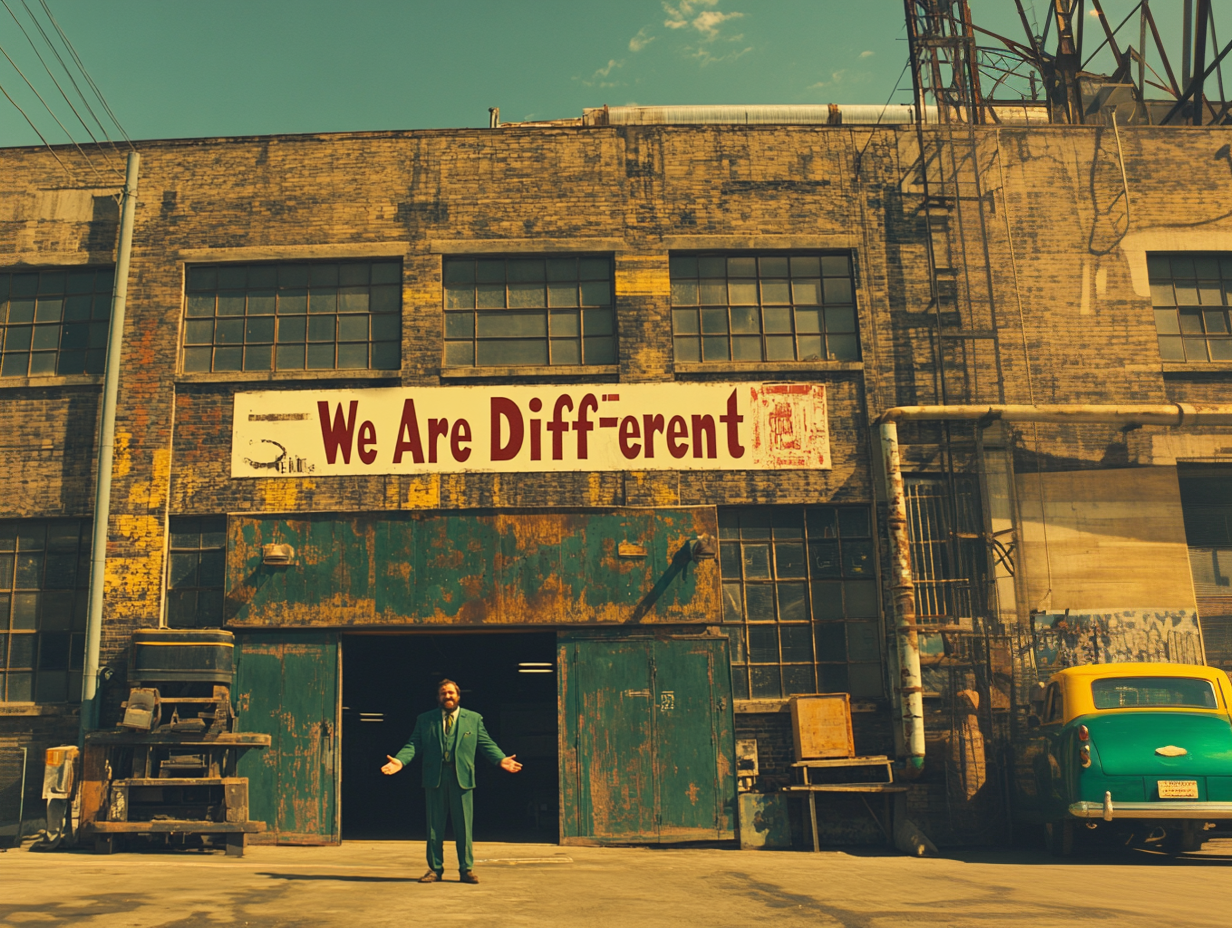
If you run a hospitality business these days, chances are you are either understaffed, about to be, or wondering who will call in sick this evening or next Saturday night.
And it’s not just you.
From independent bistros to Michelin-starred kitchens, restaurants across the country are facing the same pressure: they can’t find (and keep) enough hands to manage the number of covers they need to keep their business alive, pay their bills and taxes and make a bit of a living themselves.
Oh, and guests – of course – still expect perfection, served with a smile and a full wine pairing.
You know this won’t sort itself overnight. But there might be another way forward. One where you stop plugging leaks and start rethinking the whole boat.
Restaurants weren’t designed for the way things are now. Most are still operating around team sizes that vanished some time ago and are not likely to make their reappearance anytime soon.
So here’s the uncomfortable truth: if you can’t get more people, make it easier to run the place with fewer.
- Rethink the layout. Fewer steps, tighter stations, less criss-crossing.
- What can you do about the service flow? Can the guest order and settle the bill without needing to flag someone down three times?
- Simplify the rituals. Sadly, some of your “nice touches” – like that third amuse – may now be a bit too much. Prioritise consistency over complexity.
This is not about cutting corners or lowering standards at all. It’s about making every step and action count. Because “running harder” only works until someone breaks.
Staff is insanely expensive and extremely difficult to find (and keep). Training is exhausting. Replacing people all the time? Utterly unsustainable.
The smarter play? Cross-train the staff you do have. Give them range. Build their confidence.
- A sommelier who can run a section.
- A commis who can plate if needed.
- A maître d’ who can…
Yes, yes, I know. It is simply not how things are supposed to be. But it can be the best way to survive. And this doesn’t just keep the place running, it builds team pride. And that’s contagious.
Let’s be blunt: too many places lose people for the dumbest reasons.
Not pay. Not hours. Not ambition. They leave, not because the benefits are better somewhere else, but because the mood has turned. Because someone got yelled at in service for the third time that day. Because the kitchen vibe is toxic in a way that even a Gen X-staffer would find unpalatable. Because no one ever says thank you.
You don’t need to be Zen. You do need to be decent.
- Don’t just avoid burnout, avoid the culture of fear.
- Don’t play favourites. Don’t excuse bad behaviour just because someone’s “brilliant”, especially if that someone is you.
- Do make growth part of the job, even if it’s just in trust and respect.
I could give you a nice list of chefs and kitchens with reputations for excellence and a rotating door for staff because they – or their operations – are simply insufferable. Temp chefs, emergency hires, last-minute scrambles have to make up the difference, because no one sticks around.
Culture costs nothing. Manners cost nothing. Losing people does.
When you’re short-staffed, complexity is your enemy.
- Reduce the number of dishes that require last-minute gymnastics.
- Streamline prep, batch smartly, and avoid anything that clogs the pass.
- Keep the focus on quality, just with less choreography.
A shorter, sharper menu won’t hurt your brand. If anything, it might finally give your best dishes room to breathe.
If you’re planning a renovation or new location, now is the time to design for this reality.
Forget “what if we grow?” and start with “what if we can’t hire?”
- Design for efficiency with a lean crew.
- Structure service around visibility and flow, not hierarchy.
- Make the back of house work with the front, not in spite of it.
Restaurants that build around fantasy staffing levels will tend to struggle. Build for the team you’re likely to have, not the one you wish you could afford, or even find.
So you might be looking at cutting service, reducing the menu, simplifying operations, etc.
Whatever your approach is, do not forget to clarify things with your customers!
- Set client expectations before frustration builds.
- Be honest about what’s changing and why.
- Use your tone wisely: clear, warm, unflinching.
Guests know when something’s afoot! And most are willing to adjust as long as you don’t insult their intelligence with vagueness.
I’m not here to tell you how to run your pass. I’ve never managed a brigade or closed out a Friday night service with two waiters short and a table of influencers ordering five different tasting menus.
But I do work with food businesses. I’ve seen what happens behind the scenes and I’ve sat through enough meetings where the staffing crisis was the elephant in the room, or where people kept calling it a temporary thing. It most probably isn’t!
What I know is this:
You can’t hire your way out of a broken setup. Not when the industry is in a staffing drought—and definitely not when the best people keep walking out the back door.
If your processes are shaky, your menu overloaded, your culture on fire, or you simply cannot find anyone to fill the gaps, no amount of ads or signing bonuses will save you.
But if you step back, simplify, listen, and rebuild around the team you already have? That might well be how you stop treading water, and start steering.