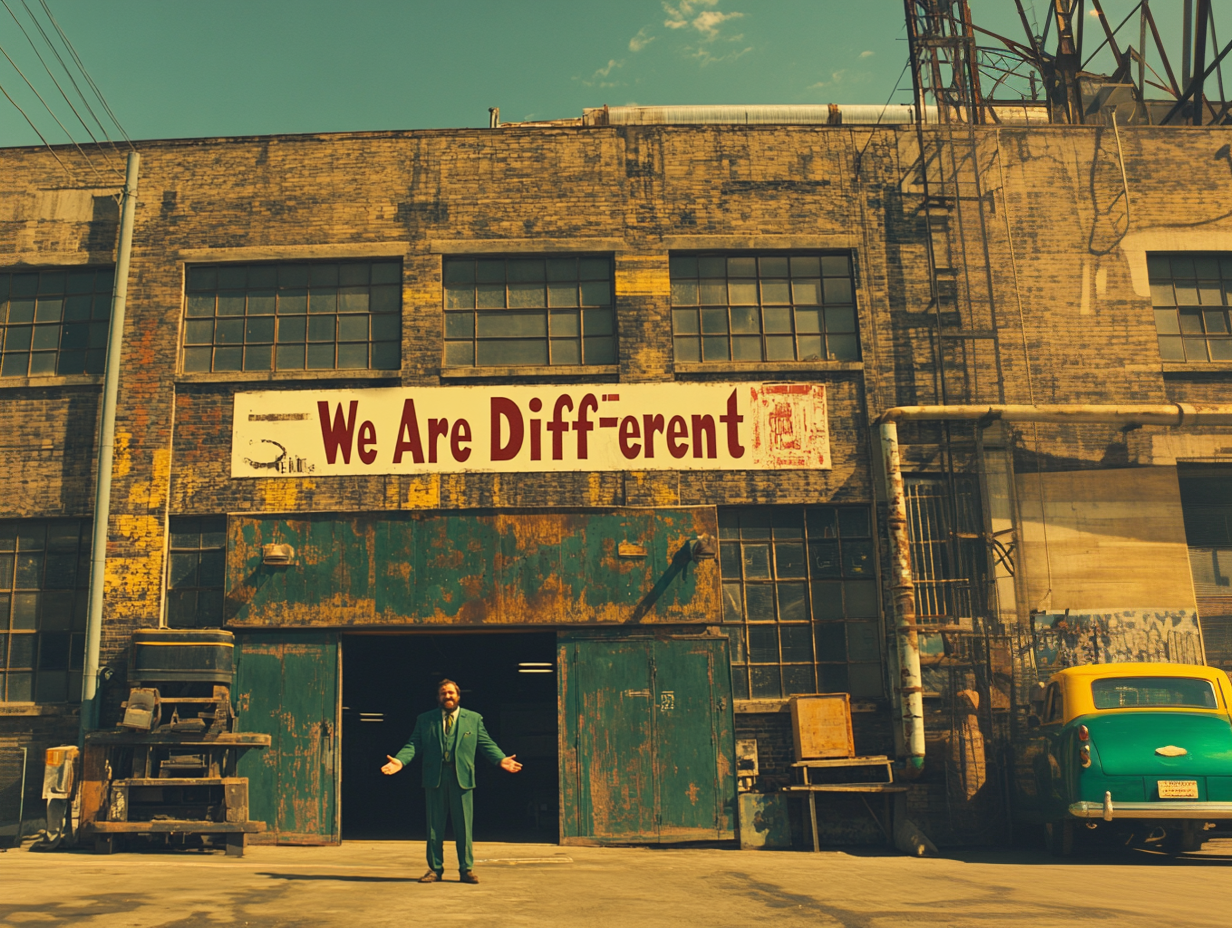
These days, it’s no small feat to stand out, whether you’re running a premium restaurant or a neighbourhood bistro, a fast casual concept with five sites, or a single snack bar doing a roaring trade in chips and late-night kebabs.
The food might be excellent. The service, warm and efficient. And yet… bookings just aren’t what they used to be.
You’re not alone. Most of the industry is feeling the squeeze of intense competition.
There are solutions, of course: menu tweaks, staff training, operational efficiencies. But let’s talk about what marketing, branding and design can realistically do for you. Not with a bottomless budget. Just with a bit of focus and the right tools for the job.
You may not have a marketing team or an agency on speed dial. A lot of small businesses don’t. But that doesn’t mean you’re stuck. A few small shifts can go a long way:
- Consistency over frequency
You don’t need to post every day. But when you do, the tone, look and message should feel like they’ve come from the same kitchen. A little cohesion is far more effective than a flurry of mismatched posts. - Use your channels on purpose
Instagram is visual, so show the food, the setting, the people.
Facebook reaches older locals. It’s where practical updates belong: opening times, events, that sort of thing.
Google Business isn’t glamorous, but it does influence footfall. Keep it accurate, updated and useful.
Also, you do not need to be on every channel all the time. In fact, I wrote a short article on that just the other day. - Be human
Ditch the generic copy. Don’t ‘delight tastebuds’. Just speak like a normal person who cares about what they’re serving.
You probably have a logo. Maybe a colour. Possibly a font you keep using. That’s a start. But branding is really about memory, about helping people recognise and recall your business, especially when they are going to be in need of good food.
- Find your voice and stick with it
Whether you’re direct, nostalgic, cheeky or old-school, let that tone carry through everything: menus, social posts, signage. If it sounds like five people wrote it, that’s probably because five people (or ChatGPT) did. - Keep your visual signals simple and steady
No need for a brand manual the size of a wine list. Just settle on colours, fonts, layout style and stick with them. The simpler the system, the easier it is to use. - Say what only you can say
Everyone claims ‘fresh’ and ‘local’. What makes you different? Is it the grandmother’s recipe? The spice blend you toast in-house? The wood-fired oven?
be human like tom&della's
For Tom&Della’s I developed a brand with a unique human voice and face. The tone was witty, sometimes even self-deprecating with taglines such as ‘Simply Dellacious’, ‘Eat like there’s no mañana’ or ‘Made in 9duuzend’. No bragging, no boasting, …
With bold and colourful visuals this brand was (briefly) a breath of fresh air in the food landscape.
Seeing is believing:
– tomanddellas.be
– case Tom&Della’s
Design doesn’t have to mean ‘creative’. It means making your business look like it knows what it’s doing.
- Menu design matters.
Cluttered menus confuse people and slow service. Simple layouts, fewer fonts, proper spacing, clear headings… these help people order faster and spend more.
- Physical signage counts.
Your window display, pavement board, in-store signage… all of it shapes first impressions. If it looks like a rush job or hasn’t been updated since 2017, people notice. - Match online to real life.
Your website (if you have one), delivery page, social media, Google listing… All should look like they come from the same business. If your Instagram looks like Ibiza but your dining room’s in Ledeberg, something’s off.
You don’t need to reinvent anything. You just need to be a bit more you: visibly, clearly, confidently.
If your food’s good and your people care, the rest can be sharpened. No gimmicks. No jargon. No “digital transformation journeys.”
Just smart, grounded thinking to help you stand out, get remembered, and draw the right kind of attention.